




Vacuum Insulated Glazing
Description
Technical Parameters
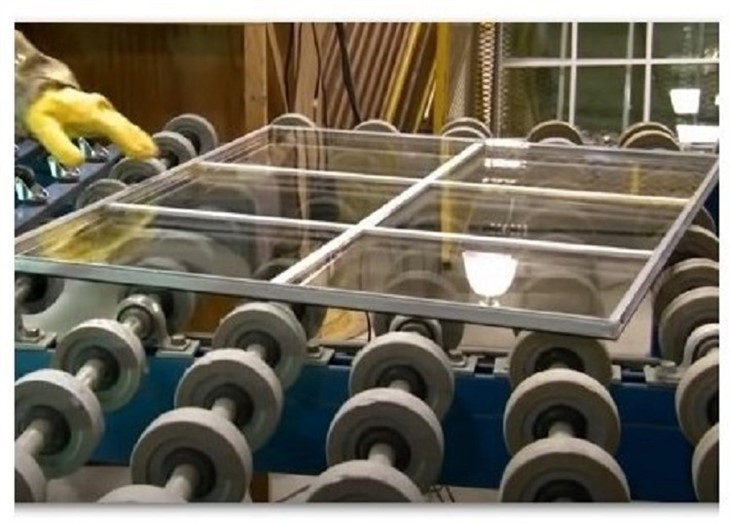
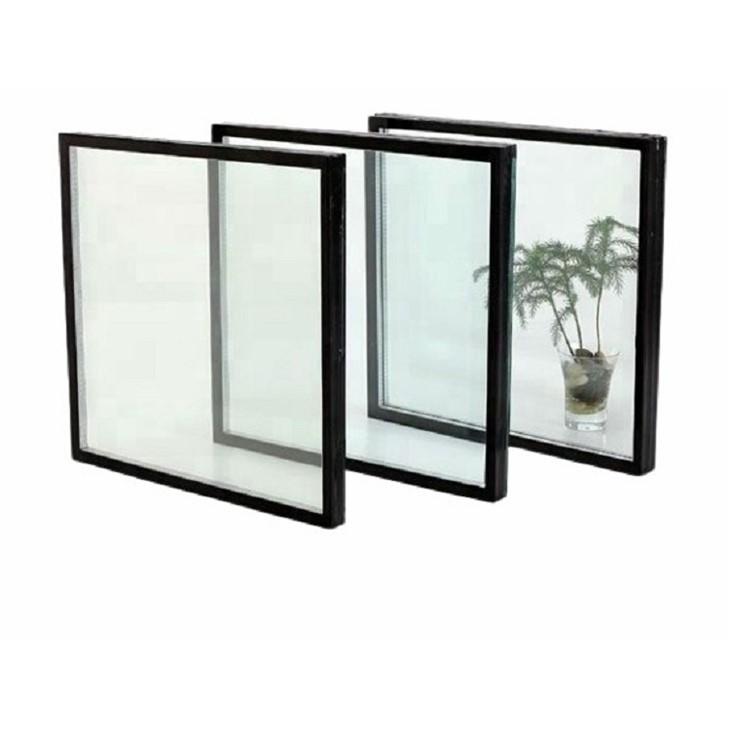
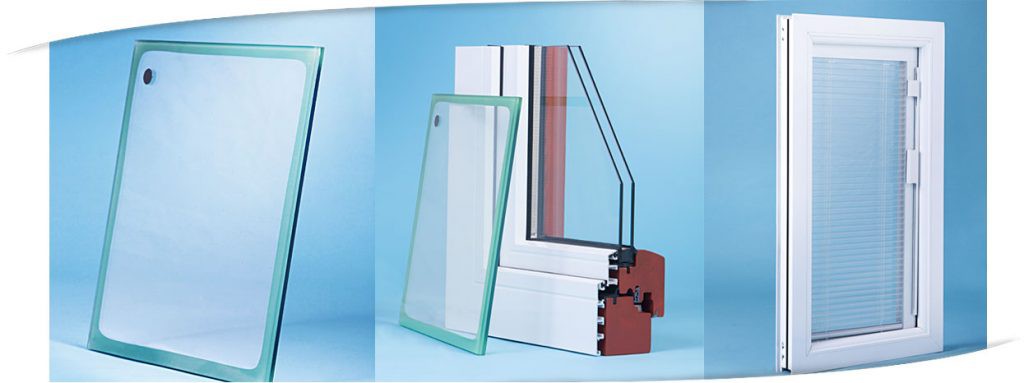
Vacuum insulated glazing (VIG) is an advanced glazing technology that enhances energy efficiency by using a vacuum-sealed space between two or more glass panes. It is designed to provide superior thermal insulation compared to traditional double or triple glazing systems. VIG minimizes heat transfer through conduction and convection, making it highly effective at maintaining indoor comfort and reducing energy consumption.
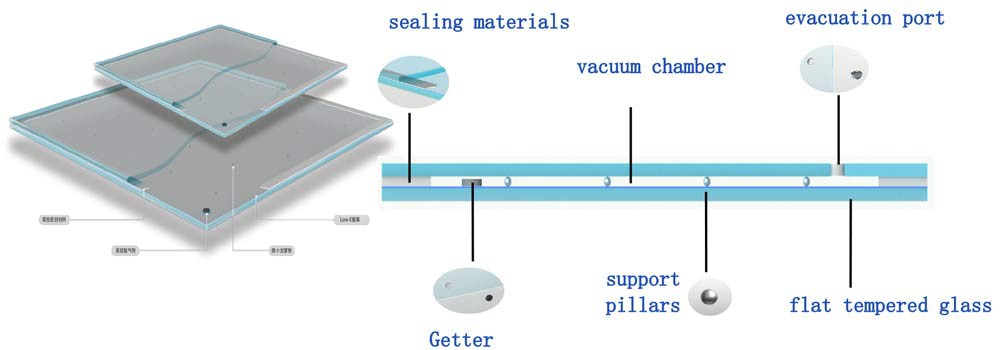
Here's a comprehensive overview of vacuum insulated glass
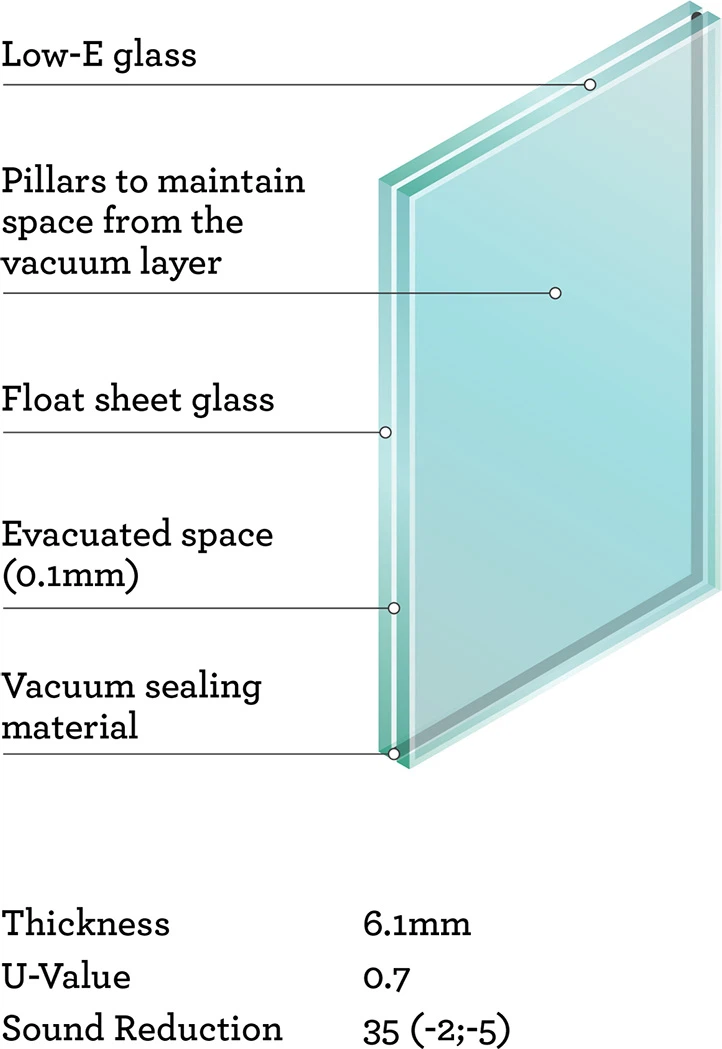
Construction: Vacuum insulated glazing consists of two or more glass panes that are separated by a very small gap, typically around 0.1 to 0.3 millimeters. This gap is maintained at a high level of vacuum, nearly eliminating the air and gas molecules that usually contribute to heat transfer. The edges of the glass panes are hermetically sealed to create an airtight and low-pressure environment.

2. Benefits:
Superior Insulation: The vacuum gap drastically reduces heat transfer through conduction and convection, resulting in significantly improved thermal insulation compared to conventional glazing systems.
Thin Profile: Despite its exceptional insulation properties, VIG is thinner and lighter than traditional insulating glass units, making it suitable for applications where space is limited.
Reduced Condensation: The vacuum-sealed gap minimizes the potential for condensation to form on the interior surface of the glass.
Enhanced Energy Efficiency: Vacuum insulated glazing helps to maintain a stable indoor temperature, reducing the need for heating and cooling, and leading to energy savings.
Aesthetic Options: VIG can be customized with various glass types, coatings, and tints to meet aesthetic and design requirements.
Sound Insulation: The vacuum gap also contributes to soundproofing, helping to reduce external noise transmission.
3. Challenges and Considerations:
Manufacturing Complexity: The production of vacuum insulated glazing involves complex processes to achieve and maintain the vacuum seal, making it more challenging to manufacture compared to traditional glazing.
Cost: Due to its complex manufacturing processes and specialized components, vacuum insulated glazing tends to be more expensive than standard insulated glass.
Sealing Longevity: Ensuring a durable and long-lasting vacuum seal is critical for the continued performance of VIG units.
4. Applications:
1)High-Performance Buildings: VIG is particularly well-suited for high-performance building designs aiming to achieve optimal energy efficiency.
2)Historical Restoration: In cases where preserving historical window aesthetics is important while upgrading energy performance, VIG can be an option.
3)Luxury Residences: VIG's thin profile and exceptional insulation can be attractive in luxury homes with large glazing areas.
Hot Tags: vacuum insulated glazing, China vacuum insulated glazing manufacturers, suppliers, factory, Energy saving glass, Insulated Glass for Window, Low E Insulated Glass Curtain Wall Glass, Heat Insulation Conservatory Roof Glass, Building Insulated Glass, Vacuum Insulated Glass Panels
Next
Vacuum GlassSend Inquiry


