


Reliable Product Quality
Our products have got various certifications such as SGS, ISO, CE, etc. We export our high quality products to all over the world. Product quality in line with the import country standards, you can rest assured that the choice of our factory, we can guarantee the quality of products and production cycle.
Wide Product Range
Our products are widely used in the fields of construction industry, automotive industry, furniture industry, decoration industry, decorative and residential uses.
Experience and Expertise
A service provider with a proven track record and expertise in their field can offer valuable insights and solutions to your business needs.
Good Communication
It's essential to select a provider with good communication skills, both during the selection process and throughout the service delivery. Good communication helps to establish trust and ensures that both parties are on the same page.
What is Reflective Glass
Reflective glass is clear or tinted glass that has a very thin layer of metal or metallic oxide on the surface. The reflective coating is applied during the float process. The thicker the glass is, the less light will pass through the window. The reflective coating reduces heat gain and glare from the outside while allowing visible light to enter.


Advantages of Reflective Glass

Reflection
A lot of people choose this kind of glass because they love the way it reflects light. It makes decorating easier because it allows you to see what looks good and what doesn't.

Security
If you live in an area where crime is a concern, it's important to make sure that your home is secure all the time. By using this type of glass, you can make sure that your home is protected even when no one is home.

Energy Efficiency
This type of glass helps keep your house cool during the summer and warm during the winter — so even if it's not raining outside or snowing on Christmas Day (which would be amazing), your house will stay comfortable throughout the year!

Easier Cleaning
Because reflective glass reduces glare, it's easier to see when something needs to be wiped down — no squinting required! You also don't have to worry about fingerprints or smudges because they're not as visible through reflective glass as they are through regular glass.

It's Durable and Long-Lasting
Reflective glass has been proven over time to be extremely durable, so you don't have to worry about replacing it for years to come!

It's beautiful!
Not only can you enjoy the benefits of reflective glass without having to sacrifice aesthetics, but you can also choose from a wide range of colors and styles that will perfectly match your business'aesthetic needs!
Types of Reflective Glass
This type of reflective glass can be used for home and office exteriors as it cuts heat from your buildings. Opal is a popular choice for heat reflection and is available in several hues, thus enhancing the visual appeal to the building’s façade. This solar control glass comes in shades of royal blue, bronze, pearly grey, aqua blue, golden white and cool green. It is also available in a wide range of sizes and density.
Ecosense offers exceptional thermal comfort, reduces heat and UV absorption and makes your building energy-efficient. It is the ultimate amalgamation that provides optimum daylighting and aesthetics. This is a high-performance reflective glass and is specially designed to meet the requirement of every Indian customer who needs cooling more than heating. Ecosense can be installed in differing shades of blue and green. It can also be installed without any colour – clear reflective glass.
Super silver is a heat reflective glazing solution manufactured through the process of CVD (Chemical Vapour Deposition). CVD technology for making this type of reflective glass is far superior to the traditional spray-coated reflective glass available in the market. Super silver glass reduces solar glare and provides thermal as well as optical comfort inside the building. This glass reflects light during the day giving it one-sided mirror properties that also provide privacy to people inside. Super silver glass is available in various colours, sizes, and thickness.
If you live or work in a particularly hot location then Sunshield glass is for you. Its strong coating provides a building with ultimate cooling comfort. Sunshield can be installed in several colours, thickness and sizes. It allows the light to reflect through without absorbing the heat and also helps provide solid protection against UV rays.
Application of Reflective Glass

Commercial Buildings
Reflective glass is commonly used in commercial buildings, such as office towers, hotels, and shopping malls. It can help reduce energy consumption and create a sense of privacy while also enhancing the aesthetics of the building.

Residential Homes
Reflective glass can also be used in residential homes, particularly in areas with high levels of sunlight and heat. It can help reduce energy consumption and protect furniture and artwork from UV damage while providing privacy.

Automobiles
Reflective glass is also used in the windows of automobiles, such as cars and buses. It can help reduce glare from the sun and keep the interior of the vehicle cooler.
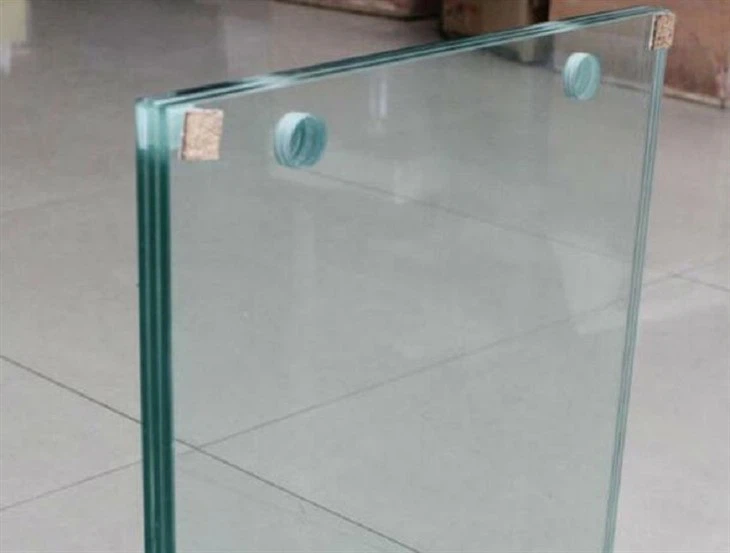
What Makes Reflective Glass Sustainable
The most important aspect of sustainability is the fact that it is a renewable resource. Unlike traditional glass, which is made from sand and limestone, reflective glass is made from recycled glass and other waste products. This makes it possible for companies to use more of their resources in making this product, which means less waste and pollution overall.
The second factor that makes reflective glass sustainable is its ability to reflect heat. This means that buildings that use this type of material are more energy efficient, as they require less cooling than other types of buildings. The less energy required by these buildings means less carbon dioxide emissions as well, which helps reduce global warming.
Lastly, reflective glass is also very durable and long-lasting. It can withstand harsh weather conditions without breaking or cracking.
What Type of Coating Is Used on Reflective Glass
A metallic coating is applied on the surface of reflective glass which blocks heat and controls solar radiation. In the age of green buildings, more and more emphasis is being given to eco-friendly technologies that can effectively reduce energy consumption without compromising on the aesthetic sensibility of the structures. Reflective glass windows, with their mirror-like finish and colourful metallic glazing, can add an excellent decorative touch to your house and office designs. AIS Opal Trendz is one such patterned reflective glass which provides an effective glazing solution with its variety of colour and style options.

The Differences Between Reflective Glass and Clear Glass
|
Properties |
Clear Glass |
Reflective Glass |
|
Coating |
Does not come with coating |
Comes with metallic coating |
|
Heat Transmission |
Allows nearly 80% to pass through |
Reflects away nearly 70% of heat |
|
UV Protection |
Does not ensure protection from UV Rays |
Ensures protection from UV Rays |
|
Glare Control |
Low |
High |
|
Colour |
Transparent |
Comes in variety of colours |
|
Solutions |
Transparency and Clarity |
Privacy and Solar Control |
|
Customization |
Limited |
Limited to coating colour and finish |
|
Applications |
Display Cabinets, Furniture, Glass Partitions, Staircases, Balustrades, Balconies, Shower Cubicles, Doors and Windows |
Facades and Windows |
Reflective glass is one of the best options in the glass industry as it is eco-friendly and helps with the climate crisis we are currently facing. These glass items are high-performance energy-efficient glass and help build sustainable buildings as they block high amounts of solar radiation and reflect infrared light. The advantage here is that they help the buildings remain cool in summers and cuts down on the electricity bills as the air conditioner is not used as often. Global warming and climate change have been a problem of concern over the past few decades. We are now facing the real-time damages of global warming, and every industry is making progress by using sustainable products. The use of sustainable products is rising, and property developers, as well as real estate companies, are trying to do their bit by using environment-friendly products. The collective need to protect the environment has led to the rise of green buildings. Glass is a crucial component in the construction of green buildings. To do the same, specialized energy-efficient and eco-friendly glass materials such as reflective, solar control, and tinted glass is used. Glass is largely used to make green buildings, as it is an excellent green material. Reflective glass has mirroring properties; thereby, they bounce away the heat or UV rays projected onto the surface and help maintain a cool temperature within buildings. Glass walls also let in a lot of natural light and reduce the need for artificial lighting. The biggest advantage of glass solutions is that it is recyclable. This means that it does not place a burden on the environment. Reflective glass plays a vital role in improving indoor environmental quality, and if used sensibly, it can improve energy efficiency. Some of the other benefits worth mentioning include excellent daylighting, improved health and well-being of the residents.
What Is the Difference Between Reflective Glass and Tinted Glass


Reflective Glass VS. Tinted Glass for Home
Reflective glass is transparent and allows you to see out of your home while still protecting it from the sun's harmful UV rays. Tinted glass is less transparent and darkens the view from inside your home, which can be useful if you're trying to keep your house cool in the summer or warm in the winter.
Energy Efficiency
Reflective glass is more energy-efficient than tinted glass because it allows more light into your home, which cuts down on the need for artificial lighting during sunny days. It also helps keep your house cooler by reflecting away some of the heat from outside (especially when combined with reflective insulation). Tinted glass blocks out more of that heat, but it also blocks out more light as well, leaving you with an artificial lighting problem during sunny days.
Temperature Control
Tinted glass will help keep your house cooler in the summertime by keeping out some of that bright sunlight, which means less heating bill! In wintertime, though? Not so much; since tinted windows block out most of that natural heat, they can make a room uncomfortably cold when there's no other source of heat around (like a fireplace or something).
Privacy
Reflective glass for windows is best for rooms where you want to be able to see out but not be seen from outside, like a bedroom or bathroom window. Tinted glass is better for keeping prying eyes out of your home.
Cost
Tinted windows can cost up to three times as much as reflective windows because they're harder to manufacture and require special equipment to install properly. However, if you're looking for privacy without sacrificing too much light or heat coming through your windows, this could be worth paying extra for!
The unique metallic coating on reflective glass windows blocks external heat from entering indoors and in effect sustains a favourable temperature for the occupants. Since reflective glass does not rely on electricity, its properties will not be affected by any power outage. Your reflective glass will absorb the harmful rays of the sun and reflect excessive glare while keeping the indoor temperature favourable. AIS Glass products like the AIS heat-strengthened glass is made with a superior process where the glass is slow-heated and slow-cooled to withstand high temperature differentials for high performance. Reflective glass are not like a reflective mirror but they give the illusion of one. This quality makes them an effective stylistic choice for exterior applications. Shining, shimmering glass buildings are all the rage today. Architects and Interior designers can use this quality of reflective glass windows to create some exciting structural designs.
Step-by-Step Process to Make Reflective Glass
Raw Material Selection: The first step in the reflective glass manufacturing process is selecting the right raw materials. The type of sand, soda ash, limestone, and other ingredients used will affect the color, transparency, strength, and thermal insulation of the finished product. Manufacturers typically select their ingredients from local sources to reduce transportation costs and increase quality control.
Batch Preparation: Once the raw materials have been selected, they must be properly prepared for use in the furnace. This involves weighing out specific amounts of each ingredient and then mixing them together until a homogeneous material is achieved. During this stage, impurities are often filtered out to ensure that only high-quality glass is produced.
Melting and Refining: Next, the raw material mixture is placed in a furnace and heated until it melts at 1500 C°. The molten glass is then refined to remove any air bubbles or other imperfections. This process ensures that the finished product will be free of flaws and have uniform properties throughout.
Float Bath: The refined reflective glass is then poured onto a bed of molten tin, which forms a flat sheet. This float bath process gives the material its flat, uniform surface and allows for precise thickness control. Once the material has cooled to room temperature, an annealing process is used to strengthen it further and make it more durable.
Reflective Films Added as Necessary: Some types of reflective glass are treated with special films to reduce glare or improve the energy efficiency of the product. Films can be added before or after the float bath process, depending on the type of glass being produced.
Annealing and Final Inspection: Annealing is the process of cooling and strengthening the glass to reduce stress fractures. The finished product is then inspected for quality assurance before it is shipped out for installation.
Cutting and Drilling: Finally, the reflective glass is cut and drilled to meet the customer's specifications. This step often occurs at the job site and involves highly skilled professionals who specialize in cutting and drilling glass safely and accurately. es
How to Repair Reflective Glass Scratches

01
Rub the v with toothpaste
The abrasive ingredients in toothpaste can occasionally polish out scratches. Use traditional toothpaste instead of a gel.

02
Apply a jewelry-polishing compound (cerium oxide)
This ingredient is sometimes effective in restoring a reflective glass's shine. Mix it with water and apply it to the mirror.

03
Try clear nail polish
Sometimes nail polish can cover deeper scratches. Add a layer, wipe away the excess and see if the scratch is less noticeable. If you can still see it, try another layer.

04
Use a mustard/vinegar paste
If you've got dry mustard and white vinegar in your pantry, combine it and spread the paste reflective glass on the mirror.
How to Clean Reflective Glass?
Routine cleaning
That first step is needed to remove the visible fingerprints and dust on the reflective glass and prepare the surface for the next steps. All you need to complete this step is plain water, water mixed with a little dish detergent and 10:1 water to vinegar solution. Fill a spray bottle with pure water and spray on the window glass on its top and bottom part to get rid of the accumulated small dirt and dust particles. Get another spray bottle and fill it with a mixture of water and dish detergent. Spray from this soapy water on the window glass surface. If there are stubborn stains on your glass, fill the spray bottle with the 10:1 vinegar solution. Rinse generously with pure water. Now get a lint-free cloth and wipe the excess water. For a streak-free result leave a thin film of moisture on the window glass and wait until it evaporates. Make sure there are no water drips on the reflective glass, just a thin film of moisture.
Spot cleaning
This step is needed to remove the stubborn dirt that cannot be removed by routine cleaning only. For this step you need acetone, denatured alcohol and mineral turpentine that have a powerful action on different types of dirt. Pick one of those solvents for your cleaning task. Get a lint-free cleaning cloth and wet one of its corners with the solvent of your choice. Then rub the dirty spot you want to clean with the cloth in a gentle way. Stay away for painted surfaces while cleaning to prevent the solvents from reacting negatively with the paint.
Cleaning stains and scratches
Reflective glass can be easily damaged by metal objects such as scourers, blades, rings, watches and other things. Stains and scratches caused by metal can be removed with a 99:1 cleaning solution containing hydrochloric acid and water. When preparing this cleaning solution, add the acid to the water first and not the other way round. Get a lint-free cloth and dip it in the 99:1 solution. Then gently rub the scratched or stained spot on the window with cloth.
Economic Criteria
Budget is an important determining factor when selecting the right reflective glass. It must be taken into account and make the right decisions so as not to increase costs unnecessarily.
Laws and Regulations Criteria
Each country has its own building codes, which are a series of specific requirements that must also be met for enclosures and their materials. These requirements usually refer to structural design and personal safety, and are specific to each territory.
Installation Criteria
Installation methods should also be taken into account in the choice of reflective glass. Factors such as ease of lifting and installation, fragility, weight and dimensions must be considered.
Maintenance Criteria
Regular cleaning of reflective glass is of the utmost importance.
Environmental Criteria
Maintaining comfort inside the home or business is one of the main goals in almost any type of project. There are many factors that can affect comfort on which reflective glass plays a role: temperature, humidity, air speed, noise level or lighting level, to name a few. Determining which factors will have the greatest influence in each case is essential for the selection of the perfect glass.
Structural Criteria
The safety of the system is imperative, especially for reflective glass roofs, since miscalculations could compromise the safety of people and/or damage the objects underneath. Therefore, the structural stability of the reflective glass chosen must be ensured. Deformations can influence the way the system withstands loads from its own weight, the wind, snow, earthquakes, etc. Also, the way in which the enclosure influences building structure must be studied.
Aesthetic Criteria
The building's exterior aesthetics and the prescriber's or owner's own tastes are another decisive factor in the choice of reflective glass. This will be fundamental in enclosure systems such as ours since, as mentioned in the introduction above, reflective glass represents the largest surface area of the system, greatly influencing the design of the facade. Therefore, the colours, volumes, reflections and textures are crucial properties of the materials to take into account.
Markings and Certifications
Manufacturers often imprint specific markings or certifications on tempered glass products to indicate compliance with industry standards. These markings serve as valuable indicators of good tempered glass. Here are some common markings and certifications to look for:
01
Tempering Standard
Look for a mark that indicates compliance with recognized standards such as ANSI Z97.1 (for North America) or EN 12150 (for Europe). These standards ensure that the glass has undergone proper tempering processes and meets specific safety requirements.
02
Safety Certification
Some tempered glass products may carry safety certifications from recognized organizations like the Safety Glazing Certification Council (SGCC) or the Safety Glass Certification Council (SGC). These certifications validate that the glass meets stringent safety standards and has passed rigorous testing.
03
Manufacturer's Name and Logo
Genuine tempered glass panels usually bear the manufacturer's name or logo, indicating accountability and traceability. Reputable manufacturers are more likely to produce higher-quality products, so researching the manufacturer's reputation can provide valuable insights.

The Aesthetic Appeal of Tempered Glass and How It Can Elevate Your Home Design

01
Sleek and Modern Look
Tempered glass exudes a contemporary and sophisticated vibe, making it perfect for modern and minimalist design styles. Its smooth and reflective surface adds a touch of elegance to any space, instantly giving it a sleek and polished look. Whether you use it for windows, doors, partitions, or even furniture, tempered glass delivers a timeless aesthetic.

02
Ample Natural Light
One of the key advantages of using tempered glass is its ability to allow natural light to flood your living spaces. Natural light not only brightens up your interiors but also creates an illusion of a more spacious environment. With tempered glass, you can enjoy an abundance of sunlight, reducing the need for artificial lighting during the day and saving energy in the process.

03
Versatility in Design
Tempered glass offers endless possibilities for design creativity. It can be used in various applications, such as staircase railings, shower enclosures, tabletops, and backsplashes. Additionally, you can choose from a range of finishes and textures, including frosted, etched, or tinted glass, to achieve your desired aesthetic. This versatility allows you to customize your home design according to your unique preferences.

04
Visual Expansion
In smaller spaces, utilizing tempered glass can visually expand the area by creating an illusion of openness. By replacing solid walls or barriers with glass partitions or doors, you can create a seamless flow between different zones without compromising privacy. This transparent element adds depth to your interior design, making it appear more spacious and inviting.
How to Clean Tempered Glass
To begin, you will need to make a cleaning mixture to use on your tempered glass. The best ingredients are ordinary dish soap and water. Mix the soap and water in equal amounts, then pour the mixture into your spray bottle and seal it shut. Mix the soap and water together thoroughly by shaking the spray bottle. When you are done, bring it and the rest of your supplies over to your tempered glass and get ready to begin.
Tempered glass is actually very easy to clean, but it is also very easy to damage. Any small particles dragged over tempered glass repeatedly will scratch it, as will any rough surface rubbed against it. Because of this, you need to be very careful as to how you wash your tempered glass, and not take any shortcuts. While shortcuts may save you time now, they may ruin your glass for good.
First, spray your tempered glass with the mixture of dish soap and water. Wait 10 seconds, then wipe the glass clean with your soft sponge. Do not use a scouring pad, because it will be too rough to safely use on your tempered glass. Use the soft side of your sponge instead. Doing this to the entire piece of glass at once can be tricky, so it is best to spray one section at a time, then clean it with your sponge before spraying the next section, rather than trying to clean all of the glass at once.
It is possible that some areas on your tempered glass are dirtier than others, and will not respond well to ordinary washing. If you wash all of your glass and find that some of it is still dirty, you will have to give it some special attention. However, you must resist the temptation to use harsher methods, as they will damage your glass. Simply spot clean the dirty sections with soap and water again until they are clean.
Use a clean, soft cloth to buff the glass dry. A microfiber cloth is a great way to do this, but any ordinary non-abrasive cloth will do the trick. Be very gentle, as it is possible to scratch tempered glass.
How to Remove Scratches from Tempered Glass
Toothpaste and a Soft Cloth
Apply a small amount of whitening toothpaste, which is slightly more abrasive than regular toothpaste, to a soft, clean cloth. Then, buff the scratched glass in small circular motions. The grit in the toothpaste is enough to remove small scratches from tempered glass. After rubbing for a few minutes, rinse the glass with water to reveal what you’ve accomplished. If the scratch remains but seems to be getting better, repeat the process up to two more times. Move on to a different glass cleaner solution if the scratch is still there after three attempts to remove it with toothpaste.
Liquid Pumice Soap or Steel Wool
This heavy-duty hand cleaner has additional abrasive elements that may remove scratches from tempered glass more effectively than toothpaste. You can also try steel wool. This superfine grade pad buffs the glass without creating more scratches. Make sure the steel wool is in good condition since the presence of any rust or other imperfections could scratch the glass when you attempt to buff it. Whether you use liquid pumice soap and a soft cloth or steel wool, buff the scratched glass by moving your hand in small circular motions for several minutes. Rinse the glass of any residue to assess your work. If scratches remain, it’s time to pull out the power tools.
Buffers or Sanders
This method can be applied if the first two options don't work. A commercial buffing compound is designed to remove scratches or polish metals. Popular options include cerium oxide and jeweler’s rouge. Start by applying the compound you choose to an orbital sander fitted with a soft cloth or a buffing wheel on a cordless drill. Polish the scratched glass with the sander or buffer while you continually moisten the area by lightly squeezing out a trickle of water from a saturated sponge. This prevents the compound from drying out and creating more scratches. After several minutes, set the sander or drill down and clean the glass with a soft brush and liquid dish soap. Dry the glass and inspect the scratches. Repeat these steps until you’re satisfied with the results.
Certifications
Our products have got various certifications such as SGS, ISO, CE, etc.

Qingdao jenesis glass started from domestic glass business by insisting on good and stable quality faithful service and reasonable price now we already developed into a company which is glass-processing as well as a trading all kinds of glass products.

Our Factory
Ultimate FAQ Guide to Tempered Glass
We're professional reflective glass manufacturers and suppliers in China, specialized in providing high quality customized service. We warmly welcome you to buy or wholesale reflective glass made in China here from our factory. For price consultation, contact us.
Online Reflecive Glass, Soft Coat Low E Glass, Color Reflective Glass