

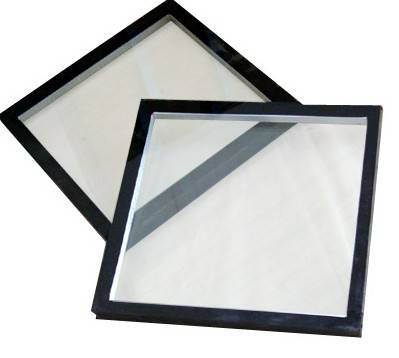


Energy-saving glass
Description
Technical Parameters
Energy-saving glass, also known as energy-efficient or low-E (low-emissivity) glass, is a type of glass that is designed to improve a building's energy performance by reducing heat transfer, maintaining indoor comfort, and enhancing natural light while minimizing the need for artificial heating and cooling. It's a crucial component of sustainable building design and helps to reduce energy consumption and greenhouse gas emissions.

Here are the key features and benefits of energy-saving glass:
Products Description
1. Low-E Coatings: Energy-saving glass typically incorporates thin, transparent coatings called low-E coatings. These coatings are applied to the glass surface and help control the amount of heat that is transmitted through the glass. Low-E coatings reflect a significant portion of infrared (IR) radiation while allowing visible light to pass through.
2. Thermal Insulation: Energy-saving glass reduces heat transfer through windows and other glazing systems. This helps to keep indoor spaces warmer in the winter and cooler in the summer, reducing the load on heating and cooling systems.
3. Solar Control: Energy-saving glass often includes solar control features, which help to manage the amount of solar heat that enters a building. This is achieved through the selective reflection and absorption of solar radiation.
4. Comfort and Productivity: By maintaining a more stable indoor temperature and minimizing temperature fluctuations near windows, energy-saving glass enhances occupant comfort and can contribute to increased productivity.
5. Environmental Benefits: Reducing energy consumption in buildings has a positive impact on the environment by lowering greenhouse gas emissions and reducing the demand on energy resources.
6. Types of Energy-Saving Glass: There are various types of energy-saving glass, each with specific characteristics:
Single Low-E glass: Offers basic energy efficiency by using a single low-E coating.
Double Glazed Low-E glass: Combines low-E coatings with insulated glass units for better insulation.
Triple Glazed Low-E glass: Offers even higher insulation efficiency with three glass panes and two insulating air spaces.

Applications: Energy-saving glass is used in various architectural applications, including windows, doors, facades, curtain walls, skylights, and atriums.

When considering energy-saving glass for a building project, factors such as climate, orientation, building design, and local building codes should be taken into account. Consulting with architects, engineers, and glass manufacturers who specialize in energy-efficient solutions can help you choose the right type of energy-saving glass for your specific needs and goals.
Hot Tags: energy-saving glass, China energy-saving glass manufacturers, suppliers, factory, Insulated Glass for Window, Curtain Wall Glazing, Building Insulated Glass, Vacuum Insulated Glass Panels, Vacuum Glass, Vacuum Insulated Glass
Send Inquiry


