

What are the energy - saving glass solutions for different window orientations?
Jul 17, 2026
Leave a message
As an energy-saving glass supplier, I've seen firsthand how the right glass solutions can make a huge difference in a building's energy efficiency. One of the key factors to consider when choosing energy-saving glass is the window orientation. Different orientations face different sunlight and weather conditions, so they require different glass solutions. In this blog, I'll share some energy-saving glass solutions for different window orientations.
North-facing Windows
North-facing windows receive the least amount of direct sunlight throughout the year. This means they don't get as hot in the summer, but they can also lose a lot of heat in the winter. The main goal for north-facing windows is to retain heat and prevent heat loss.
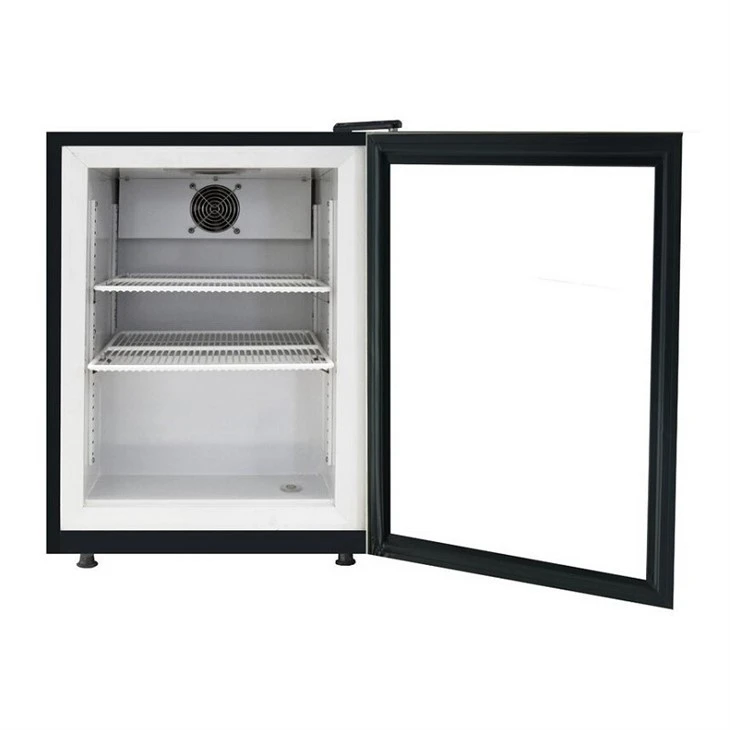
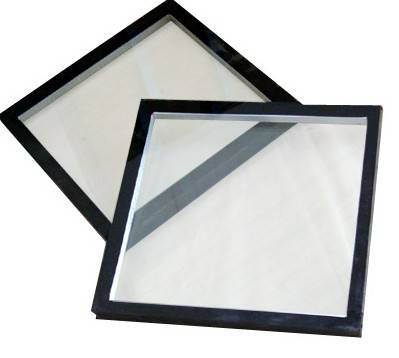
- Low-E Glass: Low-emissivity (Low-E) glass is a great option for north-facing windows. It has a special coating that reflects heat back into the room, reducing heat loss. This type of glass allows visible light to enter while blocking infrared radiation, which helps keep the room warm in the winter without sacrificing natural light. You can find more information about Energy-saving glass on our website.
- Double Glazing: Double glazing consists of two panes of glass separated by a layer of air or gas. This creates an additional barrier that helps to insulate the window and reduce heat transfer. The air or gas layer acts as an insulator, preventing heat from escaping through the window. Double glazing is a cost-effective way to improve the energy efficiency of north-facing windows.
South-facing Windows
South-facing windows receive the most direct sunlight, especially during the summer months. This can lead to overheating and increased cooling costs. The key for south-facing windows is to block solar heat gain while still allowing natural light to enter.
- Solar Control Glass: Solar control glass is designed to reduce the amount of solar heat that enters the building. It has a special coating that reflects and absorbs a significant portion of the sun's infrared and ultraviolet radiation. This helps to keep the interior cool and reduces the need for air conditioning. You can learn more about Energy-saving glass options for solar control on our website.
- Tinted Glass: Tinted glass is another option for south-facing windows. It comes in a variety of colors and shades, which can help to reduce glare and solar heat gain. Tinted glass absorbs some of the sunlight, preventing it from entering the building and heating up the interior. However, it's important to choose the right tint level to ensure that enough natural light still enters the room.
East-facing Windows
East-facing windows receive direct sunlight in the morning, which can cause a rapid increase in temperature. The goal for east-facing windows is to control the early morning heat while allowing natural light to brighten the space.
- Spectrally Selective Glass: Spectrally selective glass is a type of energy-saving glass that allows visible light to pass through while blocking a large portion of the sun's infrared and ultraviolet radiation. This helps to reduce heat gain in the morning without sacrificing natural light. It's a great option for east-facing windows, as it can keep the room cool and comfortable during the early hours of the day.
- Blinds or Shades: In addition to using energy-saving glass, installing blinds or shades on east-facing windows can provide an extra layer of protection against the morning sun. Blinds and shades can be adjusted to block the sunlight when it's most intense, reducing heat gain and glare. They can also be opened to allow natural light to enter the room when the sun is less intense.
West-facing Windows
West-facing windows receive direct sunlight in the afternoon and evening, which can cause overheating and discomfort. The main challenge for west-facing windows is to control the late-day heat and prevent heat buildup.
- Vacuum Insulated Glass: Vacuum Insulated Glass is an excellent choice for west-facing windows. It consists of two or more glass panes separated by a vacuum, which provides superior insulation compared to traditional double glazing. The vacuum layer reduces heat transfer, keeping the interior cool in the afternoon and evening. Vacuum Insulated Glass also helps to reduce noise transmission, making it a great option for windows facing busy streets or noisy areas.
- External Shading Devices: External shading devices, such as awnings, overhangs, or louvers, can be very effective in reducing solar heat gain on west-facing windows. These devices block the sun's rays before they reach the window, preventing heat from entering the building. They can be adjusted to provide shade at different times of the day, depending on the position of the sun.
Roof Windows
Roof windows are exposed to direct sunlight from above, which can cause significant heat gain and loss. The right energy-saving glass solution for roof windows is crucial to maintain a comfortable indoor temperature.
- Heat Insulation Conservatory Roof Glass: Heat Insulation Conservatory Roof Glass is specifically designed for roof windows and conservatories. It has excellent thermal insulation properties, which help to keep the interior cool in the summer and warm in the winter. This type of glass also reduces glare and blocks a large portion of the sun's ultraviolet radiation, protecting furniture and flooring from fading.
Conclusion
Choosing the right energy-saving glass solutions for different window orientations is essential for improving a building's energy efficiency and comfort. By considering the specific sunlight and weather conditions that each window faces, you can select the glass that best meets your needs. Whether it's low-E glass for north-facing windows, solar control glass for south-facing windows, or vacuum insulated glass for west-facing windows, there are a variety of options available to help you save energy and reduce your utility bills.
If you're interested in learning more about our energy-saving glass products or have any questions about choosing the right glass for your windows, feel free to reach out to us. We'd be happy to discuss your specific requirements and provide you with a customized solution. Let's work together to make your building more energy-efficient and comfortable!
References
- Glass Association of North America. (n.d.). Energy-Efficient Glass. Retrieved from various industry publications and resources.
- International Window Film Association. (n.d.). Solar Control Window Films. Retrieved from industry research and reports.